
Reading that title may have shocked you a little – move away from Amazon?
Responsible for over 30% of all ecommerce transactions, Amazon is the place to sell if you want to get traffic and earn a profit from it.
So why on earth would you want to move away from it?
If you’re selling on just Amazon, you’re putting all your eggs in one basket. You’re selling under someone else name and entirely at the mercy of the Amazon overlords when it comes to your selling privileges.
Amazon isn’t exactly the most ethical company around, either.
They’ve been known to undercut sellers, put employees in unsafe workplaces, and even removed competitor’s content from your browser. In the recent COVID-19 epidemic, it was shown that Amazon profited off the price-gouging that it swore to stamp out.
While the recent COVID crisis has led to both a growth in ecommerce sales, many brands have used this time to make use of the Anti-Amazon Alliance; an ecosystem driven by Facebook, Google, and Shopify aimed at encouraging ecommerce entrepreneurs to create their own stand-alone store and sell under their own name.
But it shouldn’t come as much of a surprise to you that diversification away from Amazon isn’t always easy. With its massive audience and infrastructure to simplify the selling process, launching on other channels requires a little groundwork.
Luckily, this article will guide you through moving away from Amazon by establishing a brand, taking marketing into your own hands, and flying your own flag.
But before we get started, keep these two things in the back of your mind as you read this:
- Don’t leave Amazon all-together. Diversification is what we’re talking about here.
- This same principle applies to any brand that uses just one marketplace – Amazon, eBay, Etsy, whatever it may be.
With that in mind, let’s start by taking a look at how (and why) Amazon is under threat.
It started with the Anti-Amazon Alliance.
Amazon quickly became the best place to sell a product online merely because of the sheer number of people that use it to find products.

By perfecting this ‘searching for a problem and solving it’ process, it became an all-in-one marketplace for the buyer.
- Amazon’s A9 search engine is the 3rd most used search engine globally (after Google & YouTube) connecting millions of products to millions of daily searches.
- Customers can learn essential information about a product on the product page, compare other products, and read independent reviews.
- Amazon’s patented one-click-purchase makes buying easier – by keeping the entire checkout and payment process on Amazon’s website
- Shipping, fulfillment, and delivery are taken care of by Fulfilment By Amazon (FBA).
- Complaints go directly to Amazon, rather than the seller, where Amazon leverages the sellers’ seller status to keep the customer happy.
From finding a product to returning it, Amazon handles it all internally.
While this is great for the customer, it’s often at the expense of the seller. Amazon ultimately calls the shots, and if you don’t jump through their proverbial hoops, your selling rights can be removed with no grounds for appeal.
Fun fact: Many law firms now specialize in taking Amazon to court and getting your selling account reinstated.
Amazon going to such lengths to take advantage of its sellers got the attention of companies like Facebook, Google, and Shopify.

So much so, that in late April 2020, in response to the Coronavirus pandemic, Google announced that it was now ‘free to sell on Google’.
“And as consumers increasingly shop online, they’re searching not just for essentials but also things like toys, apparel, and home goods. While this presents an opportunity for struggling businesses to reconnect with consumers, many cannot afford to do so at scale.”
Let’s make this clear – Google making it free to sell on their site had little to nothing to do with coronavirus. This was Amazon’s most significant search competitor (Google), adding more products to its search results.
One of the major players in the Anti-Amazon Alliance made a move to make it easier to buy and sell somewhere other than Amazon.
Amazon now has competition in all of the areas that it specializes in:
- Google can now be used to find a product for sale on Google’s own marketplace, competing with Amazon’s A9 search engine.
- Google is also used to find more products for sale on Shopify or WooCommerce or other ecommerce platforms.
- Paypal, Stripe, ApplePay, or GooglePay make it easier to pay, regardless of where you’re shopping.
- Third-party fulfillment centers and inventory management software make it easier for small businesses to handle sales, fulfillment, stock management, and returns.
- Most third-party fulfillment centers now manage your returns on your behalf.
Everything that Amazon specializes in now has a competitor.
This is a benefit for you as the seller because it’s now easier than ever to sell under your own banner.
Here’s how to take your existing Amazon store and diversify.
Start thinking like a brand.
As a seller on Amazon, you get customers. As an independent brand, you build fans. But to do this, you need to do this as a brand. People want to buy into a brand – becoming a brand changes you from a seller into a business.
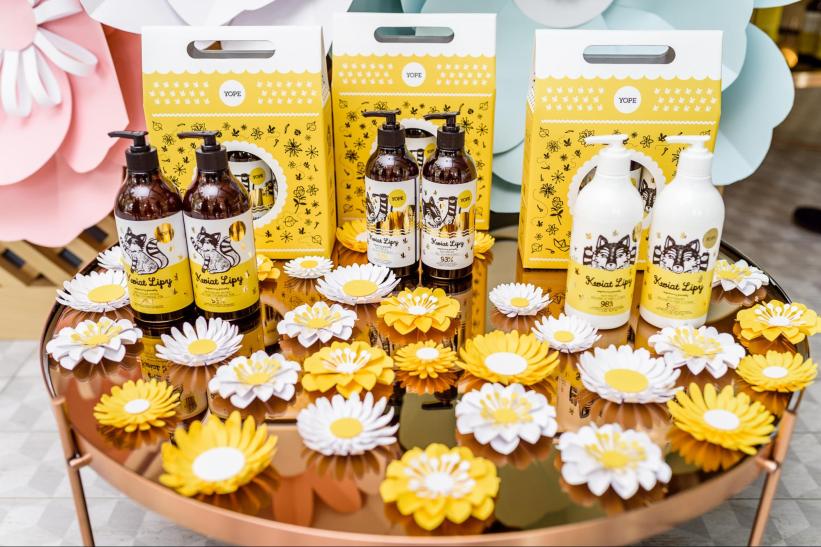
A brand needs core values, motivations, and unique selling points. It also requires a design system or a brand book in the form of logos, letterheads, color palettes, custom packaging, and a tone of voice. Thinking of yourself as a brand lets you find out what’s unique about yourself, and helps you stand out from your competitors.
Stand-alone website
A stand-alone website is often the first port of call for a brand wanting to diversify away from Amazon. That’s because:
- You own the site and name
- It can’t be stolen or closed down
- You own your website data
- It’s the ‘home’ of your brand
Simply put, your stand-alone website lets you control your customer’s experience from start to finish.
Below is the homepage of Sweetride, a brand that sold biker art on Amazon but moved away when the competition started undercutting them on price.
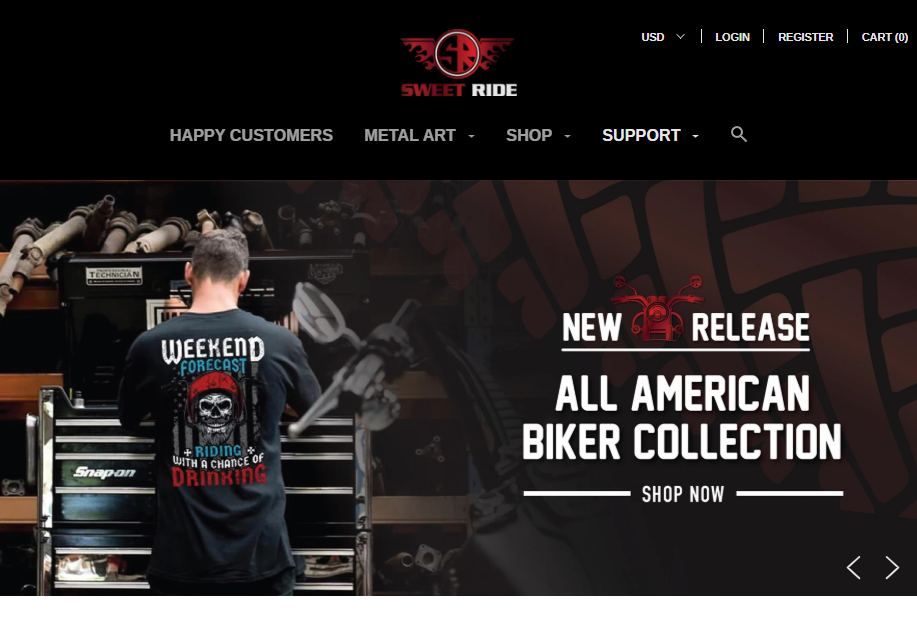
The brand has since established itself as a reliable and trustworthy brand amongst its demographic – Harley owners.
With your own site, you can provide your ecommerce customer service in a way that best suits your business goals, and most importantly, you own the sales that come from your website.
That is to say, you own their purchase history and contact data. What’s the benefit of this? It makes it much easier for you to convert one-time buyers into repeat customers.
Customer delight is the act of going a step further than your customer expects you to, simple to blow their mind and leave a lasting impression. Your own online store is the perfect sales channel to start delighting your customer to improve retention.
Marketing 101
Amazon puts your product in front of a torrent of people. Insane numbers of potential customers can find your product on Amazon, so moving away from Amazon means that you’re responsible for that traffic.

Ecommerce SEO, content marketing, referral programs, traditional PR, and performance marketing are some of the common ways to get your brand name in front of potential customers. But the fact remains that it’s solely your responsibility – you need to define your target audience, find out where they hang out online, and get your product in front of them.
If the idea of a marketing plan seems daunting, look at those who have gone before you. Checking out what your competitors are doing is always a good place to start.
How are they marketing themselves to customers that would otherwise be yours? Where are they marketing themselves?
If you’re new to the world of marketing, following your competitors can give you the kick start you need.
Outsource your fulfillment
As your brand starts to make more sales, you’ll find yourself spending more time on fulfilling and sending orders. This is time that’s better spent marketing your brand, developing your business, or even making the products.
There are many third-party fulfillment centers that can use your preferred packaging, as well as your ideal packing paper and other inserts into your delivered package.
While outsourcing this does cost money, consider it a worthy investment in freeing up your time, as well as the need to manage each and every return.
Customer retention is yours.
Customer retention is nigh on impossible when selling on Amazon, as it’s Amazon that owns the seller’s data and translation history.
The hardest part about selling on your own website is convincing someone to buy from you for the first time. Amazon solves this by putting your product under their name.
But once that first sale is made in your own store, customers are 50% more likely to buy from you again.
Rather than focusing on getting anonymous customers to buy from your Amazon store for the first time, put some of that energy into reactivating past clients. Previous customers know and trust your brand, and are more likely to spend more money with you from a second purchase.
Other marketplaces
Your brand’s online store should be, as you read earlier, the home of your brand. But the benefit of other marketplaces shouldn’t be overlooked, either. eBay and Walmart are two of the most common general marketplaces, but smaller marketplaces like Bonanza can also be a wealth of traffic and revenue.
Many marketplaces have a broad audience of highly engaged audiences that trust the marketplace to provide them with something unique. That uniqueness may come in the form of low-volume production, exclusivity, customizability, or ethics.

Etsy is great for craft, obviously, but Notonthehighstreet or Folksy, for example, are great for brands that sell low-volume, handmade or customized gifts. Houzz specializes in home decor, and Petit Vour sells only vegan brands.
Keep in mind, though, that no matter which marketplace you sell on, one thing rings true – you’re still selling under the name of another business. The ongoing costs of listing and sale fees from various marketplaces can add up and quickly hurt your back pocket, too.
Physical retail store
Want to get your product in front of traffic that’s not on Amazon? A retail store can do that. As extreme as it sounds, a retail store may be the best way for you to diversify away from Amazon.
High-end, luxury purchase, or highly-personalized products may require a lot of convincing before a customer makes their purchase.

And the best way to do that convincing is by letting the customer hold a physical product in their hand. A retail store allows your brand to have a boutique showcase that shows off more than just a product, but a complete end-to-end service.
This is something that Amazon can’t offer.
Conclusion
Amazon is one of the biggest companies in the world. What they can do for your business is almost immeasurable. But it all happens under their name, and with Amazon ultimately reaping the benefits.
Moving away from Amazon and getting involved with the growth of the Anti-Amazon Alliance can help you build a solid foundation for your business and it’s longevity. By moving away from Amazon, you’ll turn yourself from a seller, into a business, a brand that customers want to be a part of.
That’s how your brand can weather the storm, and possibly even come out the other side on top.
Author Bio:

Phil Forbes, Senior Writer
Phil is a bearded Aussie living in Warsaw, Poland. When he’s not helping take Packhelp‘s boxes to the world, he can be found reading in his hammock or trying not to kill his plants.